
CFI Invests $4 million to Power Open Science Infrastructure for Canadiana
Universities across Canada are collaborating through the Canadian Research Knowledge Network to drive the evolution of open knowledge with critical open science infrastructure transformation for the
Canadiana Collections and Infrastructure
.
Research Team
Project Team
 Constance Crompton
Project Leader
Read bio
Constance Crompton is a white, queer, able-bodied settler and Canada Research Chair in Digital Humanities. They direct the University of Ottawa’s Labo de données en sciences humaines/The Humanities Data Lab, and are a member of several research project teams: Lesbian and Gay Liberation in Canada, Linked Infrastructure for Networked Cultural Scholarship, the Implementing New Knowledge Environments Partnership, the Transgender Media Portal and Nouvelles réflexions sur les éditions critiques en contexte numérique. They served on the board of Canadian Research Knowledge Network/Réseau canadien de documentation pour la recherche from 2018-2022. They live and work on unceded Algonquin land.
 Stacy Allison-Cassin
Read bio
Stacy Allison-Cassin is an Assistant Professor in the Department of Information Science at Dalhousie University in Halifax, Canada, Stacy engages in research and teaching related to linked data, and metadata and issues related to equity and justice. Stacy is a lead director of the Respectful Terminology Platform Project, a project focused on creating infrastructure to support community-created structured vocabulary. Stacy is a longtime advocate for open and community-oriented open knowledge work and the open movement broadly, including open access, open metadata, and appropriate application of data management principles. An active member of the Wikipedia and Wikidata communities, Stacy supports ongoing knowledge equity and justice interventions through the Wikimedia platforms.
 Noelani M. Arista
Read bio
Prof. Noelani M. Arista is an Indigenous historian of Hawaiʻi and the U.S. She is ‘Ōiwi (Hawaiian) born in Honolulu, Oʻahu. She is the Director of the Faculty Arts Institute for Indigenous Research and Knowledges at McGill University and an Associate Professor in the Department of History and Classical Studies. She holds a Canada Research Chair, Tier II in Indigenous Land, Governance, and Language. Her research focuses on the organization of Hawaiian traditional knowledge, intellectual, legal and religio-political history and the ethical rules and norms governing relationships to ʻike (knowledge). Her work integrates customary knowledge, cultural and intellectual history to illuminate topics such as indigenous (data) sovereignty, indigenous governance and legality, and the movement of indigenous language archives into digital mediums extending kānaka maoli traditional methods of maintaining knowledge into the 21st century.
Her book, The Kingdom and the Republic: Sovereign Hawaiʻi and the Early United States (2019), was awarded the Best First Book Award by the Native American and Indigenous Studies Association (NAISA). The book details Native Hawaiians’ experience of encounter and colonialism in the early nineteenth century. Drawing upon previously unused Hawaiian language documents, this history addresses native political formation, the creation of published indigenous law, and supplies Hawaiian accounts of encounters with missionaries and traders, The Kingdom and the Republic reconfigures familiar colonial histories of trade, proselytization, and negotiations over law and governance in Hawai'i.
Currently, Arista seeks (ʻimi) to support the flourishing of Hawaiian knowledge systems through ethically engineered open-source digital mediums, the methods of which will provide useful and scalable models for scholars working in their own indigenous language source base. She co-authored the award- winning essay Making Kin with the Machines on indigenous AI, published by MIT Press in 2020, and was a co-organizer of the Indigenous AI workshops held in Hawaiʻi in 2019.
 Susan Brown
Read bio
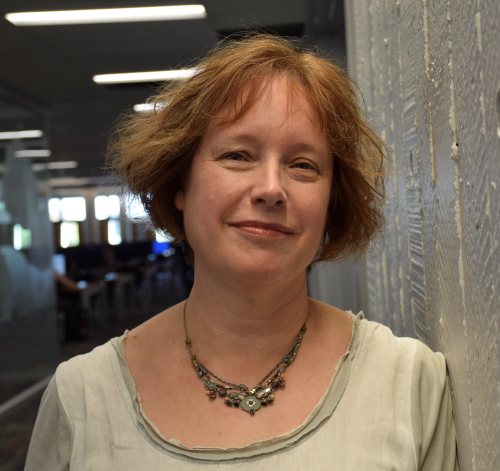
Susan Brown holds a Canada Research Chair in Collaborative Digital Scholarship and is Professor of English at the University of Guelph. She engages from an intersectional feminist perspective with the use of semantic technologies for cultural scholarship through the Orlando Project’s ongoing experiment in women’s literary history. Her critical infrastructure work explores how online systems for creating, enhancing, and sharing cultural knowledge can advance collaborative knowledge production, diversity and inclusivity, respectful data creation and dissemination, sustainable access to cultural scholarship, and research data management and preservation. She directs the Collaboratory for Writing and Research on Culture (CWRC) virtual research environment and the Linked Infrastructure for Networked Cultural Scholarship (LINCS), and co-leads in the Linked Editing Academic Framework (LEAF), whose online semantic editor, LEAF-Writer, was awarded the 2025 Rahtz Prize for TEI Ingenuity. She founded with colleagues at Guelph an interdisciplinary major in Culture and Technology Studies and The Humanities Interdisciplinary Collaboration (THINC) Lab. She is the past President (2022-23) of the governing board of the Alliance of Digital Humanities Organizations and of the Canadian Society for Digital Humanities (2013-2019). She is the 2024 recipient of the Roberto Busa prize for career achievement from the Alliance of Digital Humanities Organizations.
 Elspeth H. Brown
Read bio
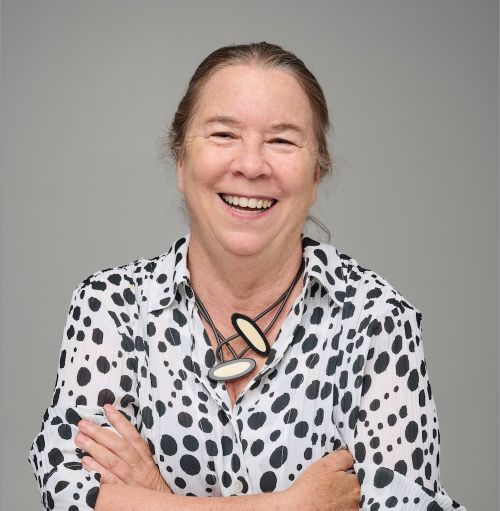
Elspeth H. Brown is Professor of History, University of Toronto, where her research concerns modern queer and trans history; digital humanities; oral history; queer archives; public history; the history and theory of photography; and the history of US capitalism. She was the founder and Director for the University of Toronto’s
Critical Digital Humanities Initiative
(2020–2025).
Since 2014 she has been Director of the
LGBTQ Oral History Digital Collaboratory
,
a multi-year digital history and oral history public, digital humanities collaboration. She is the author of numerous books, articles, and public humanities projects, including Work! A Queer History of Modeling (Duke University Press, 2019); Feeling Photography (Duke, 2014, co-editor with Thy Phu); and The Corporate Eye: Photography and the Rationalization of American Commercial Culture, 1884–1929 (Johns Hopkins, 2005).
Her research has been supported by the Getty Research Institute; the National Museum of American History; the American Council of Learned Societies; the Social Sciences and Humanities Research Council of Canada; the Library of Congress Kluge Center; the American Philosophical Society, and others. She is the former Associate Vice Principal Research, University of Toronto Mississauga and the former Director, Centre for the Study of the United States, Munk School, University of Toronto.
From 2014–2021, she served on the Board of The ArQuives: Canada’s LGBTQ2+ Archive, most recently as Co-President.
 Diana Inkpen
Read bio
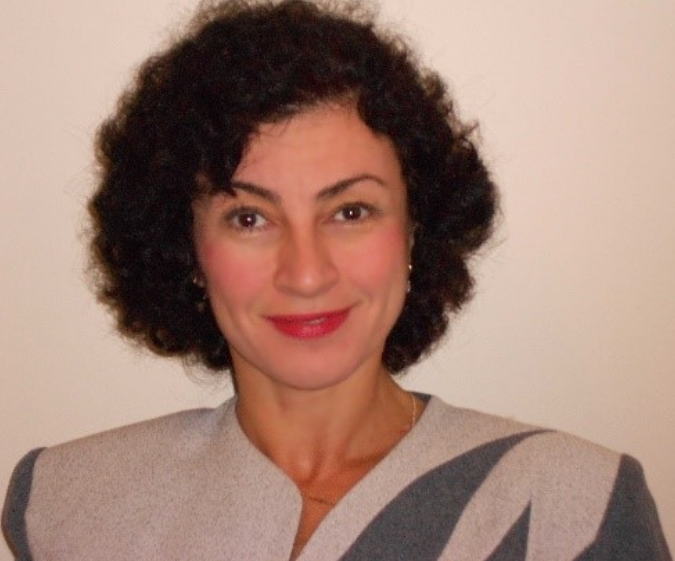
Diana Inkpen is a Professor at the University of Ottawa, in the School of Electrical Engineering and Computer Science. She received her Ph.D. in Computer Science from the University of Toronto, Canada, and her M.Sc. and B.Eng. in Computer Science and Engineering from the Technical University of Cluj-Napoca, Romania. Her research is in applications of Natural Language Processing and Deep Learning. She is the editor-in-chief of the Computational Intelligence journal and the associate editor for the Natural Language Engineering journal. She published a book on Natural Language Processing for Social Media (Morgan and Claypool Publishers, Synthesis Lectures on Human Language Technologies, the third edition appeared in 2020), 11 book chapters, more than 45 journal articles, and more than 150 conference papers. She received many research grants, from which the majority include intensive industrial collaborations.
 Deanna Reder
Read bio
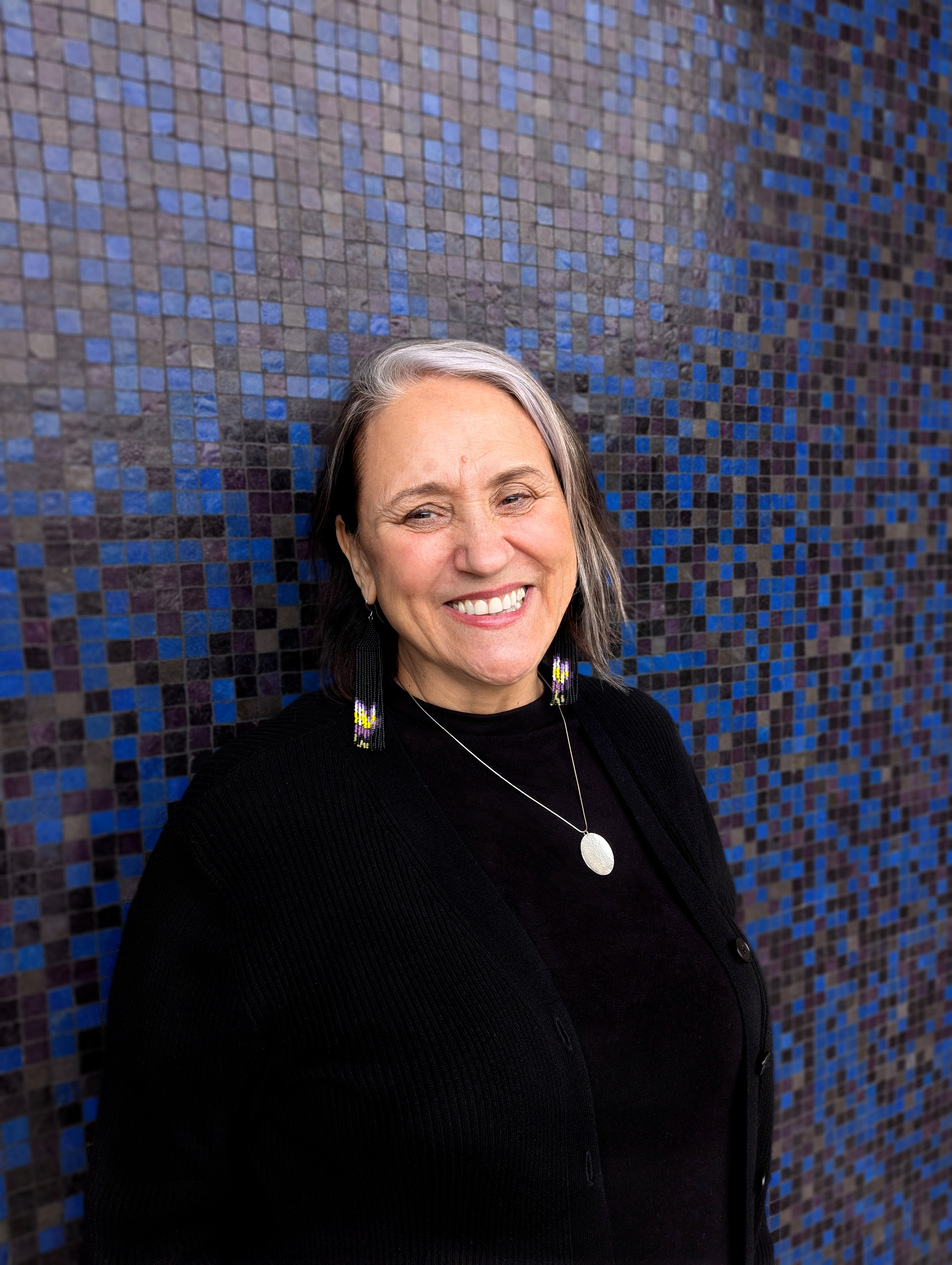
Deanna Reder (Cree-Métis, Citizen of the Manitoba Métis Federation) is a Professor in the Department of English and the Department of Indigenous Studies, where she served as Chair from 2017-2022, at Simon Fraser University. She is the Research lead for the BC development site for the successful CFI Innovation Fund application for the Open Science Infrastructure for Canad(ian)a: Digital Collections of the Future project. Reder will increase access to often under-utilized Indigenous materials within a context that recognizes Indigenous digital sovereignty and values Indigenous research ethics and methods in the planned project.
Reder is one of the founding members of the Indigenous Literary Studies Association (ILSA-est. 2013) and has been a co-Chair of the Indigenous Voices Awards since its inception in 2017 (see Indigenousvoicesawards.org). She is the research lead for "The People and the Text: Indigenous Writing in Lands Claimed by Canada" (see
www.thepeopleandthetext.ca
).
Reder is the co-editor of four anthologies, two of which are foundational to the field of Indigenous Literary Studies in Canada (Learn, Teach, Challenge: Approaching Indigenous Literatures, 2016; Read, Listen, Tell: Indigenous Stories from Turtle Island, 2017). She is co-editor of Honouring the Strength of Indian Women: Plays, Stories, Poetry by Vera Manuel (U of Manitoba P, 2019), the co-author of Cold Case North: The Search for James Brady and Absolom Halkett (U of Regina P, 2020), and part of the editorial team for the second edition of Elements of Indigenous Style by Gregory Younging (Brush, 2025); she has also published her work widely in journals and collections of essays. In 2022 her monograph, Autobiography as Indigenous Intellectual Tradition was released, winning the 2023 Gabrielle Roy Prize from the Association of Canadian and Quebec Literatures, the 2024 Modern Languages Association for Native American Literatures, Cultures and Languages Award, and the 2025 Canada Prize.
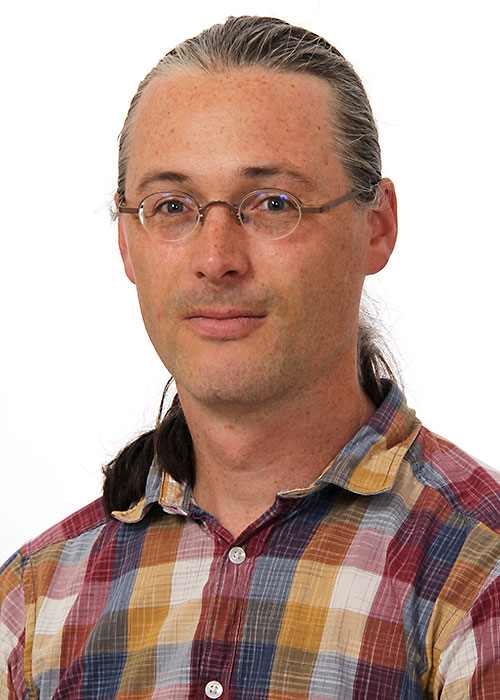 Maxime Gohier
Read bio
Professor of history at the Université du Québec à Rimouski (UQAR), Maxime Gohier specializes in the history of First Nations in northeastern North America, New France and digital humanities. His research focuses on Indigenous relations with the State (French, British and Canadian), as well as on the place and role of writing and archives in shaping these relations. A member of the Centre de recherche interuniversitaire en humanités numériques (CRIHN) and the UQAR Heritage Research Group (ARCHIPEL), he co-leads the international partnership Digital New France, which studies research data management practices related to documentary heritage within a context of collaborative research, artificial intelligence development, and citizen science. He also leads the Transcribe New France infrastructure project (FCI-John Evans Leaders Fund), which uses handwritten text recognition (HTR) technology to provide open-access transcriptions of the entire body of documentation on New France.
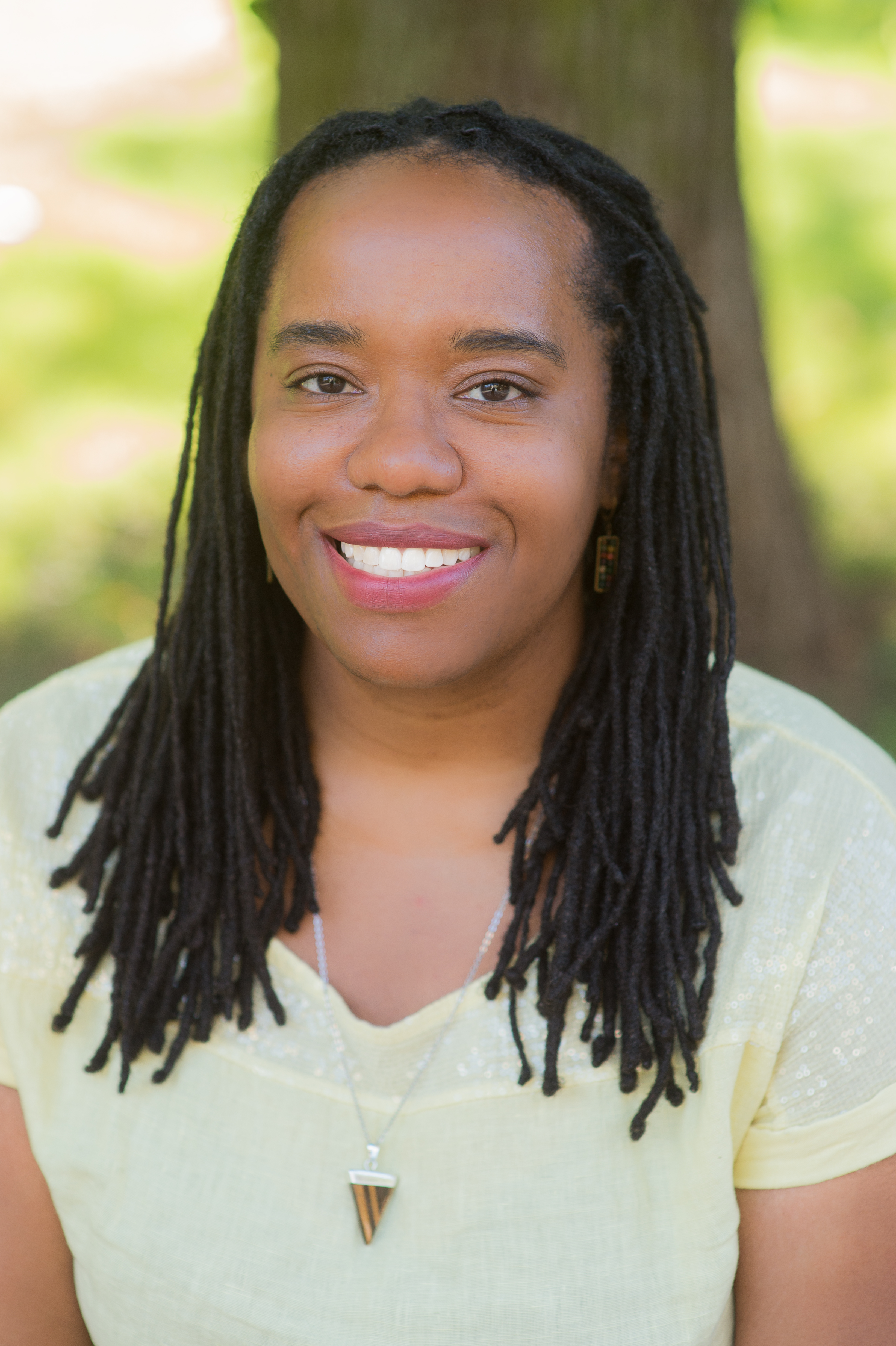 Cheryl Thompson
Read bio
Cheryl Thompson is an Associate Professor, and Tier 2 Canada Research Chair in Black Expressive Culture and Creativity. She is Founder and Director of Mapping Ontario’s Black Archives (MOBA), a digital platform that is reimagining digital curation, storytelling and the living archive as a source of knowledge production and cultural memory. Her Black Creative Lab curates public exhibits, and speaker events on YouTube and Instagram. Thompson has published four books. Her latest, Staging Blackface in Canada: Public Amusements, Variety Shows, andRacial Acts in an Age of Imitation, 1898–1919 was published with Wilfrid Laurier University Press in April, 2026. Thompson is a frequent contributor to Spacing, where she writes about Black history, culture, and the intersections of space, place, andperformance. In 2021, she was inducted into the Royal Society of Canada’s College of New Scholars, Artists, and Scientists for her contributions to Black Canadian studies. In 2025, her book, Canada and the Blackface Atlantic: Performing Slavery, Conflict, and Freedom, 1812-1897 received an honourable mention by the Canadian Studies Network for the Best Book Prize in Canadian Studies. Thompson has won over $730,000 in Social Sciences Humanities Research Council (SSHRC) grants, andher current funding, an Insight Grant, titled “Assessing the Social Capital of Ontario's Archives and the Possibilities for 'Third Places,’” aims to examine the spaces of archives and the ways in which space impacts the way users engage with Black collections.
Dan Brown
Currently on leave
Project Leader
Read bio
Read bio
Read bio
Read bio
Read bio
Elspeth H. Brown is Professor of History, University of Toronto, where her research concerns modern queer and trans history; digital humanities; oral history; queer archives; public history; the history and theory of photography; and the history of US capitalism. She was the founder and Director for the University of Toronto’s Critical Digital Humanities Initiative (2020–2025).
Since 2014 she has been Director of the LGBTQ Oral History Digital Collaboratory , a multi-year digital history and oral history public, digital humanities collaboration. She is the author of numerous books, articles, and public humanities projects, including Work! A Queer History of Modeling (Duke University Press, 2019); Feeling Photography (Duke, 2014, co-editor with Thy Phu); and The Corporate Eye: Photography and the Rationalization of American Commercial Culture, 1884–1929 (Johns Hopkins, 2005).
Her research has been supported by the Getty Research Institute; the National Museum of American History; the American Council of Learned Societies; the Social Sciences and Humanities Research Council of Canada; the Library of Congress Kluge Center; the American Philosophical Society, and others. She is the former Associate Vice Principal Research, University of Toronto Mississauga and the former Director, Centre for the Study of the United States, Munk School, University of Toronto.
From 2014–2021, she served on the Board of The ArQuives: Canada’s LGBTQ2+ Archive, most recently as Co-President.
Read bio
Read bio
Deanna Reder (Cree-Métis, Citizen of the Manitoba Métis Federation) is a Professor in the Department of English and the Department of Indigenous Studies, where she served as Chair from 2017-2022, at Simon Fraser University. She is the Research lead for the BC development site for the successful CFI Innovation Fund application for the Open Science Infrastructure for Canad(ian)a: Digital Collections of the Future project. Reder will increase access to often under-utilized Indigenous materials within a context that recognizes Indigenous digital sovereignty and values Indigenous research ethics and methods in the planned project.
Reder is one of the founding members of the Indigenous Literary Studies Association (ILSA-est. 2013) and has been a co-Chair of the Indigenous Voices Awards since its inception in 2017 (see Indigenousvoicesawards.org). She is the research lead for "The People and the Text: Indigenous Writing in Lands Claimed by Canada" (see www.thepeopleandthetext.ca ).
Reder is the co-editor of four anthologies, two of which are foundational to the field of Indigenous Literary Studies in Canada (Learn, Teach, Challenge: Approaching Indigenous Literatures, 2016; Read, Listen, Tell: Indigenous Stories from Turtle Island, 2017). She is co-editor of Honouring the Strength of Indian Women: Plays, Stories, Poetry by Vera Manuel (U of Manitoba P, 2019), the co-author of Cold Case North: The Search for James Brady and Absolom Halkett (U of Regina P, 2020), and part of the editorial team for the second edition of Elements of Indigenous Style by Gregory Younging (Brush, 2025); she has also published her work widely in journals and collections of essays. In 2022 her monograph, Autobiography as Indigenous Intellectual Tradition was released, winning the 2023 Gabrielle Roy Prize from the Association of Canadian and Quebec Literatures, the 2024 Modern Languages Association for Native American Literatures, Cultures and Languages Award, and the 2025 Canada Prize.
Read bio
Professor of history at the Université du Québec à Rimouski (UQAR), Maxime Gohier specializes in the history of First Nations in northeastern North America, New France and digital humanities. His research focuses on Indigenous relations with the State (French, British and Canadian), as well as on the place and role of writing and archives in shaping these relations. A member of the Centre de recherche interuniversitaire en humanités numériques (CRIHN) and the UQAR Heritage Research Group (ARCHIPEL), he co-leads the international partnership Digital New France, which studies research data management practices related to documentary heritage within a context of collaborative research, artificial intelligence development, and citizen science. He also leads the Transcribe New France infrastructure project (FCI-John Evans Leaders Fund), which uses handwritten text recognition (HTR) technology to provide open-access transcriptions of the entire body of documentation on New France.
Read bio
Cheryl Thompson is an Associate Professor, and Tier 2 Canada Research Chair in Black Expressive Culture and Creativity. She is Founder and Director of Mapping Ontario’s Black Archives (MOBA), a digital platform that is reimagining digital curation, storytelling and the living archive as a source of knowledge production and cultural memory. Her Black Creative Lab curates public exhibits, and speaker events on YouTube and Instagram. Thompson has published four books. Her latest, Staging Blackface in Canada: Public Amusements, Variety Shows, andRacial Acts in an Age of Imitation, 1898–1919 was published with Wilfrid Laurier University Press in April, 2026. Thompson is a frequent contributor to Spacing, where she writes about Black history, culture, and the intersections of space, place, andperformance. In 2021, she was inducted into the Royal Society of Canada’s College of New Scholars, Artists, and Scientists for her contributions to Black Canadian studies. In 2025, her book, Canada and the Blackface Atlantic: Performing Slavery, Conflict, and Freedom, 1812-1897 received an honourable mention by the Canadian Studies Network for the Best Book Prize in Canadian Studies. Thompson has won over $730,000 in Social Sciences Humanities Research Council (SSHRC) grants, andher current funding, an Insight Grant, titled “Assessing the Social Capital of Ontario's Archives and the Possibilities for 'Third Places,’” aims to examine the spaces of archives and the ways in which space impacts the way users engage with Black collections.
Currently on leave
The Canadian Research Knowledge Network (CRKN) is pleased to announce that the Government of Canada is investing more than $4 million from the Canada Foundation for Innovation (CFI) Innovation Fund to support major transformation of Canadiana’s digital research infrastructure.
This funding will accelerate the modernization of Canadiana, Canada’s national platform for digitized historical and cultural materials.
University of Ottawa is the lead research institution for this project, “Open Science Infrastructure for Canad(ian)a: Digital Collections of the Future," which brings together university partners across Ontario, British Columbia, Nova Scotia, and Quebec, alongside cross-institutional teams working collaboratively with CRKN to strengthen Canada’s open science infrastructure. With additional contributions from provincial partners and CRKN member institutions, the initiative represents a coordinated, pan-Canadian investment in the future of research and knowledge access.
Advancing open, accessible research infrastructure
Canadiana provides access to millions of pages of historical documents that capture the social, environmental, economic, political, and cultural history of Canada. The enhancements facilitated by this project will improve how these materials are discovered, accessed, and used—enabling researchers to apply advanced digital methods, including computational and AI-driven analysis, to explore new questions and generate new knowledge.
By modernizing Canadiana’s infrastructure, this project will help ensure that Canada’s historical records are accessible, usable, and relevant in an increasingly digital and data-driven research environment.
A collective effort led by Canada’s university libraries
CRKN member libraries have long supported Canadiana as collective owners and stewards of this national resource. Their sustained investment and advocacy have been central to advancing the platform and ensuring that Canadian research infrastructure reflects shared values of openness, collaboration, and data sovereignty.
This project builds on that foundation—strengthening infrastructure that is developed, hosted, and governed in Canada, and reinforcing the role of libraries as leaders in enabling access to knowledge not only for university researchers but for all Canadians.
Enabling new research and expanding impact
The improved infrastructure will benefit a wide range of users, including researchers, students, cultural heritage professionals, educators, and the general public. By addressing user needs identified through research and engagement, the transformed infrastructure will be more accessible and intuitive, supporting both existing and emerging use cases.
“Canadiana has always been an important resource for Canadian humanities researchers. Indeed, when I was a junior scholar, I hoped to get a job at a university that subscribed to Canadiana. Thanks to the CRKN membership, Canadiana is open to all Canadians and I’m so pleased that our team of expert researchers will now have the opportunity to make this important cultural heritage more accessible. We are delighted to collaborate with CRKN to efficiently and ethically transform this massive corpus of Canadian historical documents into research data with cutting-edge digital methods. The research Canadiana will enable will provide a data-driven historical lens on the social, economic, political, and cultural forces that shaped Canada’s past and demonstrate how historical evidence can inform our future.”
— Constance Crompton, Project Leader
Through this investment, the Canada Foundation for Innovation is recognizing Canadiana as critical research infrastructure that will fundamentally change how research is conducted. Enhanced capabilities will support large-scale analysis of multidisciplinary Canadian historical data—including climate observations, environmental data, and demographic datasets—through advanced research methods, including machine learning and artificial intelligence. Researchers will be able to identify patterns and generate insights that help address today’s most pressing challenges and those of the future.
Strengthening Canada’s research ecosystem
“This investment underscores the importance of sustained, collaborative funding in building national research infrastructure. By bringing together federal, provincial, and institutional partners, the project demonstrates a shared commitment to advancing open knowledge and ensuring that Canada remains a leader in digital scholarship.”
— Kim Brooks, Chair, Canadian Research Knowledge Network
Through this project, Canadiana’s open infrastructure will propel innovative research across CRKN’s member universities and play a vital role in public access to Canadian heritage materials, opening doors for community scholars, future researchers, and citizens across Canada. This investment supports broad access to knowledge that helps people uncover their own stories, sparks curiosity in future scholars, and strengthens the link between academic research and positive outcomes for society.
CRKN is very grateful to the University of Ottawa, the collaborating institutions, the research team, and the full CRKN membership for supporting this project.
As development progresses, CRKN and its partners will continue to share updates, highlight new capabilities, and showcase the impact of Canadiana’s evolving infrastructure.
Canadiana is supported by CRKN members